
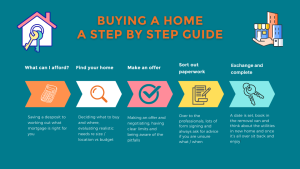
Buying a house is a major financial and legal process, not just a property search. From budgeting and mortgage preparation to surveys, conveyancing and completion, each stage matters. Understanding the process can help you avoid delays, unexpected costs and rushed decisions.
Step 1: Work out your budget
Before viewing homes, calculate what you can realistically afford. This includes your deposit, mortgage borrowing, monthly repayments, bills, insurance, maintenance and moving costs. Do not rely only on the maximum a lender might offer. Leave room for repairs and emergencies.
Step 2: Prepare your deposit and documents
You will usually need proof of deposit, ID, address history, payslips or accounts, bank statements and details of debts. If your deposit is a gift, the lender and solicitor may require a gifted deposit letter and checks on the source of funds.
Step 3: Get a mortgage agreement in principle
An agreement in principle gives an indication of how much a lender may be willing to lend. It is not a final mortgage offer, but estate agents may ask for one before treating you as a serious buyer. Use this as a guide, not a guarantee.
Step 4: Search for properties
When viewing homes, consider location, transport, schools, noise, parking, condition, lease terms, service charges and future resale appeal. Take notes and avoid being pressured into quick decisions.
Step 5: Make an offer
If you want to buy a property, make an offer through the estate agent. Your offer may be influenced by market conditions, property condition, how long it has been listed and comparable sold prices. Once accepted, the property is usually marked as sold subject to contract.
Step 6: Apply for the mortgage
After offer acceptance, submit a full mortgage application. The lender will review your income, spending, credit file, documents and property valuation. Respond quickly to document requests to avoid delays.
Step 7: Instruct a solicitor or conveyancer
Your conveyancer handles the legal side of the purchase. They review title, searches, contracts, lease terms, enquiries, source of funds and transfer of money. Good communication with your conveyancer is important.
Step 8: Arrange a survey
A lender’s valuation is not the same as a detailed survey. A survey can identify defects such as damp, roof issues, structural movement or repair needs. The right survey level depends on property age, condition and type.
Step 9: Review searches and enquiries
Searches may include local authority, drainage, environmental and other checks. Your conveyancer may raise enquiries with the seller’s solicitor. This stage can uncover planning, boundary, leasehold or rights-of-way issues.
Step 10: Exchange and complete
Exchange is when the transaction becomes legally binding. You usually pay an exchange deposit and agree a completion date. On completion day, funds are transferred, ownership changes and keys are released.
Common house buying delays
- Slow mortgage underwriting
- Survey problems
- Leasehold enquiries
- Chain delays
- Missing documents
- Source of funds checks
- Unresolved legal issues
Frequently asked questions
How long does buying a house take?
Timescales vary widely. A chain-free purchase may be faster, while leasehold or chain transactions can take longer.
Is an offer legally binding?
In England and Wales, an accepted offer is usually not legally binding until exchange of contracts.
Do I need a survey?
It is strongly worth considering. A survey can reveal issues not covered by a basic lender valuation.
What happens on completion day?
Funds are transferred, ownership changes and the buyer can usually collect keys once completion is confirmed.
Final thoughts
The house buying process is easier when you prepare early, understand each stage and keep communication clear with your broker, solicitor and estate agent. Do not rush legal or survey checks simply because you are excited about the property.
Disclaimer: This article is for general information only and does not constitute financial, mortgage or legal advice. Property law and tax rules can vary across the UK, so seek professional advice where needed.