
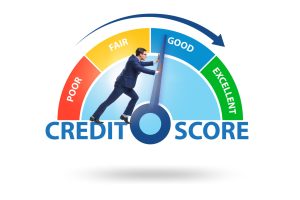
Improving credit scores is an important part of personal finance in the UK. This comprehensive guide explains the key concepts, common mistakes, practical strategies, frequently asked questions and long-term considerations. The content is written for educational purposes and follows AdSense-friendly principles by focusing on helpful, original information.
Introduction
Improving credit scores affects many financial decisions including loans, credit cards, mortgages and everyday money management. Understanding the fundamentals helps consumers make informed choices. Lenders typically review a combination of credit history, affordability, financial stability and application information. A strong understanding of improving credit scores can help reduce financial stress and improve long-term outcomes.
When reviewing your finances, focus on consistency rather than quick fixes. Responsible borrowing, timely payments, budgeting and regular monitoring are often more effective than short-term tactics. Consumers should also review their credit reports regularly, understand their obligations and avoid taking on debt they cannot comfortably afford.
Building stronger financial habits takes time. Small improvements repeated consistently can produce meaningful results over months and years. This includes reviewing spending, reducing unnecessary borrowing, creating savings buffers and maintaining accurate financial records.
Why It Matters
Improving credit scores affects many financial decisions including loans, credit cards, mortgages and everyday money management. Understanding the fundamentals helps consumers make informed choices. Lenders typically review a combination of credit history, affordability, financial stability and application information. A strong understanding of improving credit scores can help reduce financial stress and improve long-term outcomes.
When reviewing your finances, focus on consistency rather than quick fixes. Responsible borrowing, timely payments, budgeting and regular monitoring are often more effective than short-term tactics. Consumers should also review their credit reports regularly, understand their obligations and avoid taking on debt they cannot comfortably afford.
Building stronger financial habits takes time. Small improvements repeated consistently can produce meaningful results over months and years. This includes reviewing spending, reducing unnecessary borrowing, creating savings buffers and maintaining accurate financial records.
How It Works
Improving credit scores affects many financial decisions including loans, credit cards, mortgages and everyday money management. Understanding the fundamentals helps consumers make informed choices. Lenders typically review a combination of credit history, affordability, financial stability and application information. A strong understanding of improving credit scores can help reduce financial stress and improve long-term outcomes.
When reviewing your finances, focus on consistency rather than quick fixes. Responsible borrowing, timely payments, budgeting and regular monitoring are often more effective than short-term tactics. Consumers should also review their credit reports regularly, understand their obligations and avoid taking on debt they cannot comfortably afford.
Building stronger financial habits takes time. Small improvements repeated consistently can produce meaningful results over months and years. This includes reviewing spending, reducing unnecessary borrowing, creating savings buffers and maintaining accurate financial records.
Common Mistakes
Improving credit scores affects many financial decisions including loans, credit cards, mortgages and everyday money management. Understanding the fundamentals helps consumers make informed choices. Lenders typically review a combination of credit history, affordability, financial stability and application information. A strong understanding of improving credit scores can help reduce financial stress and improve long-term outcomes.
When reviewing your finances, focus on consistency rather than quick fixes. Responsible borrowing, timely payments, budgeting and regular monitoring are often more effective than short-term tactics. Consumers should also review their credit reports regularly, understand their obligations and avoid taking on debt they cannot comfortably afford.
Building stronger financial habits takes time. Small improvements repeated consistently can produce meaningful results over months and years. This includes reviewing spending, reducing unnecessary borrowing, creating savings buffers and maintaining accurate financial records.
Practical Strategies
Improving credit scores affects many financial decisions including loans, credit cards, mortgages and everyday money management. Understanding the fundamentals helps consumers make informed choices. Lenders typically review a combination of credit history, affordability, financial stability and application information. A strong understanding of improving credit scores can help reduce financial stress and improve long-term outcomes.
When reviewing your finances, focus on consistency rather than quick fixes. Responsible borrowing, timely payments, budgeting and regular monitoring are often more effective than short-term tactics. Consumers should also review their credit reports regularly, understand their obligations and avoid taking on debt they cannot comfortably afford.
Building stronger financial habits takes time. Small improvements repeated consistently can produce meaningful results over months and years. This includes reviewing spending, reducing unnecessary borrowing, creating savings buffers and maintaining accurate financial records.
Real-World Examples
Improving credit scores affects many financial decisions including loans, credit cards, mortgages and everyday money management. Understanding the fundamentals helps consumers make informed choices. Lenders typically review a combination of credit history, affordability, financial stability and application information. A strong understanding of improving credit scores can help reduce financial stress and improve long-term outcomes.
When reviewing your finances, focus on consistency rather than quick fixes. Responsible borrowing, timely payments, budgeting and regular monitoring are often more effective than short-term tactics. Consumers should also review their credit reports regularly, understand their obligations and avoid taking on debt they cannot comfortably afford.
Building stronger financial habits takes time. Small improvements repeated consistently can produce meaningful results over months and years. This includes reviewing spending, reducing unnecessary borrowing, creating savings buffers and maintaining accurate financial records.
Impact on Borrowing
Improving credit scores affects many financial decisions including loans, credit cards, mortgages and everyday money management. Understanding the fundamentals helps consumers make informed choices. Lenders typically review a combination of credit history, affordability, financial stability and application information. A strong understanding of improving credit scores can help reduce financial stress and improve long-term outcomes.
When reviewing your finances, focus on consistency rather than quick fixes. Responsible borrowing, timely payments, budgeting and regular monitoring are often more effective than short-term tactics. Consumers should also review their credit reports regularly, understand their obligations and avoid taking on debt they cannot comfortably afford.
Building stronger financial habits takes time. Small improvements repeated consistently can produce meaningful results over months and years. This includes reviewing spending, reducing unnecessary borrowing, creating savings buffers and maintaining accurate financial records.
Improving Your Financial Position
Improving credit scores affects many financial decisions including loans, credit cards, mortgages and everyday money management. Understanding the fundamentals helps consumers make informed choices. Lenders typically review a combination of credit history, affordability, financial stability and application information. A strong understanding of improving credit scores can help reduce financial stress and improve long-term outcomes.
When reviewing your finances, focus on consistency rather than quick fixes. Responsible borrowing, timely payments, budgeting and regular monitoring are often more effective than short-term tactics. Consumers should also review their credit reports regularly, understand their obligations and avoid taking on debt they cannot comfortably afford.
Building stronger financial habits takes time. Small improvements repeated consistently can produce meaningful results over months and years. This includes reviewing spending, reducing unnecessary borrowing, creating savings buffers and maintaining accurate financial records.
Long-Term Planning
Improving credit scores affects many financial decisions including loans, credit cards, mortgages and everyday money management. Understanding the fundamentals helps consumers make informed choices. Lenders typically review a combination of credit history, affordability, financial stability and application information. A strong understanding of improving credit scores can help reduce financial stress and improve long-term outcomes.
When reviewing your finances, focus on consistency rather than quick fixes. Responsible borrowing, timely payments, budgeting and regular monitoring are often more effective than short-term tactics. Consumers should also review their credit reports regularly, understand their obligations and avoid taking on debt they cannot comfortably afford.
Building stronger financial habits takes time. Small improvements repeated consistently can produce meaningful results over months and years. This includes reviewing spending, reducing unnecessary borrowing, creating savings buffers and maintaining accurate financial records.
Expert Tips
Improving credit scores affects many financial decisions including loans, credit cards, mortgages and everyday money management. Understanding the fundamentals helps consumers make informed choices. Lenders typically review a combination of credit history, affordability, financial stability and application information. A strong understanding of improving credit scores can help reduce financial stress and improve long-term outcomes.
When reviewing your finances, focus on consistency rather than quick fixes. Responsible borrowing, timely payments, budgeting and regular monitoring are often more effective than short-term tactics. Consumers should also review their credit reports regularly, understand their obligations and avoid taking on debt they cannot comfortably afford.
Building stronger financial habits takes time. Small improvements repeated consistently can produce meaningful results over months and years. This includes reviewing spending, reducing unnecessary borrowing, creating savings buffers and maintaining accurate financial records.
Frequently Asked Questions
Improving credit scores affects many financial decisions including loans, credit cards, mortgages and everyday money management. Understanding the fundamentals helps consumers make informed choices. Lenders typically review a combination of credit history, affordability, financial stability and application information. A strong understanding of improving credit scores can help reduce financial stress and improve long-term outcomes.
When reviewing your finances, focus on consistency rather than quick fixes. Responsible borrowing, timely payments, budgeting and regular monitoring are often more effective than short-term tactics. Consumers should also review their credit reports regularly, understand their obligations and avoid taking on debt they cannot comfortably afford.
Building stronger financial habits takes time. Small improvements repeated consistently can produce meaningful results over months and years. This includes reviewing spending, reducing unnecessary borrowing, creating savings buffers and maintaining accurate financial records.
Final Thoughts
Improving credit scores affects many financial decisions including loans, credit cards, mortgages and everyday money management. Understanding the fundamentals helps consumers make informed choices. Lenders typically review a combination of credit history, affordability, financial stability and application information. A strong understanding of improving credit scores can help reduce financial stress and improve long-term outcomes.
When reviewing your finances, focus on consistency rather than quick fixes. Responsible borrowing, timely payments, budgeting and regular monitoring are often more effective than short-term tactics. Consumers should also review their credit reports regularly, understand their obligations and avoid taking on debt they cannot comfortably afford.
Building stronger financial habits takes time. Small improvements repeated consistently can produce meaningful results over months and years. This includes reviewing spending, reducing unnecessary borrowing, creating savings buffers and maintaining accurate financial records.
Detailed FAQ
How long does improvement take?
Timescales vary depending on personal circumstances and previous credit history.
Can mistakes be corrected?
Yes. Errors on credit reports should be challenged with the relevant organisation.
Should I seek professional advice?
If your situation is complex, regulated financial advice may be beneficial.
Disclaimer: This article is for general information only and does not constitute financial, legal, tax or mortgage advice. Individual circumstances differ, and rules can change over time.