
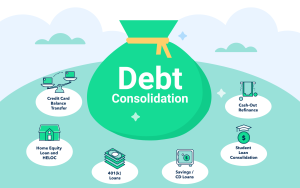
Debt consolidation means combining multiple debts into one new repayment. It can simplify budgeting and sometimes reduce interest, but it can also make debt more expensive if the repayment term is extended or if new borrowing is built up afterwards. This guide explains how debt consolidation loans work in the UK and what to consider before applying.
What is debt consolidation?
Debt consolidation usually involves using a new loan or credit product to repay existing debts such as credit cards, overdrafts, store cards or personal loans. You then make one monthly payment to the new lender instead of several payments to different creditors.
The aim may be to reduce monthly payments, lower interest, simplify finances or create a clear repayment date. However, consolidation is not a cure for debt problems. It changes the structure of debt but does not remove the need for disciplined repayment.
Types of debt consolidation
- Unsecured personal loan: A fixed loan used to repay existing unsecured debts.
- Balance transfer credit card: Moves credit card balances to a promotional rate, often for a limited period.
- Secured loan: Uses property as security and may allow larger borrowing, but increases risk.
- Remortgage: Adds debts to a mortgage, which can reduce monthly payments but may increase total cost and risk.
When debt consolidation may help
Consolidation can be helpful when the new borrowing is cheaper, repayments are affordable and you stop using the cleared credit accounts. For example, replacing high-interest credit card balances with a lower-rate fixed loan may reduce interest and create a clear end date.
It can also reduce admin. Managing one payment can be easier than juggling several due dates. This may help people who are organised but paying too much interest across multiple accounts.
When debt consolidation can be risky
Debt consolidation becomes risky when it hides a deeper affordability problem. If you consolidate debts but continue using credit cards, you may end up with both the new loan and fresh card balances. This can make your position worse.
Securing unsecured debts against your home is another major risk. It may reduce monthly payments, but it can put your property at risk and increase total interest if spread over many years.
Compare total cost, not only monthly payment
A lower monthly payment can look attractive, but it may be achieved by extending the term. Paying £250 per month for eight years may cost more overall than paying £400 per month for three years. Always compare the total amount repayable.
Also check arrangement fees, early repayment charges and whether the advertised rate is guaranteed. Representative APR does not mean every applicant will receive that rate.
Debt consolidation and your credit score
Applying for a new loan can involve a hard credit search. If approved and managed well, regular payments may support your credit profile over time. However, missed payments on the new loan can damage your file.
Closing old accounts may reduce available credit, while keeping them open may tempt further borrowing. The right approach depends on your discipline and wider credit position.
Alternatives to debt consolidation
If debts are unaffordable, a consolidation loan may not be the right solution. Alternatives may include speaking to creditors, creating a repayment plan, using free debt advice, considering a debt management plan or exploring formal insolvency solutions where appropriate.
Free debt advice charities can help you understand options without selling a loan. This is especially important if you are missing payments, relying on credit for essentials or facing collection action.
Checklist before consolidating debt
- List every debt, balance, rate and monthly payment.
- Calculate the total current cost if repaid as planned.
- Compare the total cost of the new loan.
- Check whether the loan is secured or unsecured.
- Make sure repayments are affordable.
- Plan what will happen to cleared credit cards.
- Get debt advice if you are already struggling.
Frequently asked questions
Does debt consolidation reduce debt?
No. It reorganises debt. The balance only reduces when repayments are made.
Can I consolidate debt with bad credit?
Possibly, but rates may be higher. If the new rate is not lower, consolidation may not help.
Is a secured consolidation loan dangerous?
It can be risky because unsecured debts may become secured against your home. Missing payments could put your property at risk.
Should I close credit cards after consolidation?
Some people close accounts to avoid future spending. Others keep one for emergencies. The right choice depends on self-control and credit goals.
Final thoughts
Debt consolidation can be useful when it lowers cost and supports a realistic repayment plan. It is risky when used to delay dealing with unaffordable spending. Be honest about your budget, compare total cost and seek help early if repayments are already difficult.
Disclaimer: This article is for general information only and does not constitute financial or debt advice. If you are struggling with debt, consider contacting a regulated debt adviser or a free debt advice charity.