
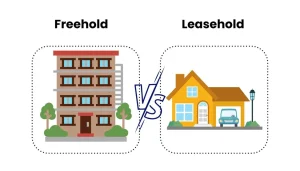
Freehold and leasehold describe different ways of owning property. The difference can affect costs, control, mortgage options, resale value and your responsibilities as an owner. Buyers should understand the ownership type before making an offer.
What is freehold?
Freehold usually means you own the property and the land it stands on indefinitely. Most houses in England and Wales are freehold, although there are exceptions. Freeholders are generally responsible for maintaining the building, land and boundaries, subject to planning rules, covenants and any estate charges.
Freehold ownership normally gives more control than leasehold, but it can still include restrictions. For example, some estates have rules about alterations, parking, shared areas or maintenance contributions.
What is leasehold?
Leasehold means you own the property for a fixed period under a legal agreement called a lease. The freeholder, sometimes called the landlord, owns the land and building structure. Most flats are leasehold, and some houses can also be leasehold.
The lease sets out rights and responsibilities. It may include rules on alterations, pets, subletting, flooring, use of communal areas, service charges and ground rent.
Lease length matters
The remaining lease term can affect mortgageability and resale value. A short lease may make a property harder to sell or finance. Extending a lease can be expensive, and the process can take time.
Buyers should ask their conveyancer to confirm the remaining lease term and explain whether it could cause issues now or in the future.
Ground rent and service charges
Leaseholders may pay ground rent and service charges. Ground rent is a payment to the freeholder under the lease. Service charges cover building maintenance, insurance, communal areas, management fees and major works.
Service charges can rise, and major works bills can be substantial. Before buying, review recent accounts, planned works, reserve funds and disputes with the managing agent or freeholder.
Restrictions in leasehold property
Leasehold properties often have restrictions. You may need permission for structural changes, extensions, subletting, pets or replacing windows. Some leases restrict short-term letting or business use.
Breaking lease terms can create legal problems. Always read the lease carefully and ask your conveyancer to explain anything unclear.
Commonhold
Commonhold is another form of ownership, mostly relevant to flats. It allows individual owners to own their unit and jointly manage shared areas through a commonhold association. It is less common than leasehold but is often discussed as part of leasehold reform.
Leasehold reform
Leasehold law has been subject to reform and further changes may be implemented over time. Buyers should be cautious about relying on headlines alone. The current legal position, future reforms and timing of implementation can differ.
Buyer checklist
- Confirm whether the property is freehold, leasehold or commonhold.
- Check remaining lease length.
- Review ground rent and service charge history.
- Ask about planned major works.
- Check restrictions on alterations, pets and letting.
- Review management company performance.
- Ask whether lease extension or freehold purchase rights may apply.
Frequently asked questions
Is freehold better than leasehold?
Freehold often gives more control, but the best option depends on property type, costs, responsibilities and personal circumstances.
Can I get a mortgage on a leasehold property?
Usually yes, but lenders may have requirements about lease length, ground rent and lease terms.
Who pays service charges?
Leaseholders usually pay service charges under the lease to cover building and communal costs.
Can leasehold rules change?
Leasehold law can change, but buyers should rely on current legal advice rather than assuming future reforms will solve existing issues.
Final thoughts
Freehold and leasehold ownership can feel technical, but they have real financial consequences. Before buying, understand exactly what you own, what you must pay and what restrictions apply.
Disclaimer: This article is for general information only and does not constitute legal, tax, mortgage or financial advice. Always ask a qualified conveyancer to review property title and lease documents.