
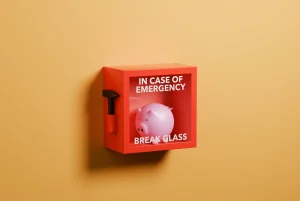
An emergency fund is money set aside for unexpected costs or income disruption. It can help you avoid relying on credit cards, overdrafts or loans when life does not go to plan. Whether the emergency is a broken boiler, car repair, vet bill, job loss or urgent travel, having savings available can reduce stress and give you more choices.
What is an emergency fund?
An emergency fund is a dedicated savings pot for genuine unexpected expenses. It is separate from holiday savings, house deposit savings, Christmas money or planned purchases. The purpose is protection, not investment growth.
Emergency savings should usually be easy to access. If the money is locked away for months or invested in assets that can fall in value, it may not help when you need it quickly.
How much should you save?
A common target is three to six months of essential expenses, but the right amount depends on your circumstances. Someone with stable income, low rent and family support may need less than someone self-employed, renting privately or supporting dependants.
Start with a small first target, such as £500 or one month of essential bills. Building an emergency fund gradually is better than waiting until you can save a perfect amount.
What counts as essential expenses?
Essential expenses usually include rent or mortgage, utilities, council tax, food, transport, insurance, childcare, minimum debt payments and basic phone or internet access. It does not usually include holidays, entertainment, eating out or non-essential subscriptions.
Calculate your monthly essential spending and use it as the basis for your emergency fund target.
Where should you keep emergency savings?
Emergency savings are usually best kept in an easy-access savings account, separate from your current account. This makes the money available but reduces the temptation to spend it casually.
Some people keep a small amount instantly accessible and the rest in an easy-access or notice account. Avoid placing emergency money into risky investments because the value may fall just when you need it.
Emergency fund vs paying off debt
If you have expensive debt, it can be difficult to decide whether to save or repay. A small emergency fund can prevent new borrowing when unexpected costs appear, while high-interest debt should usually be tackled quickly.
One practical approach is to build a starter emergency fund, then focus on expensive debts, then grow the emergency fund further. If debt repayments are already unaffordable, seek debt advice rather than relying on savings alone.
How to build an emergency fund
- Set a realistic first target.
- Open a separate savings account.
- Automate a transfer after payday.
- Save windfalls, refunds or overtime where possible.
- Reduce one recurring cost and redirect the saving.
- Track progress monthly.
- Replace money quickly after using it.
When should you use it?
Use emergency savings for genuine financial shocks, not predictable costs. A yearly car insurance renewal is not an emergency if you know it is coming. A sudden repair after a breakdown may be.
Before using the fund, ask: Is this necessary, urgent and unexpected? If the answer is yes, the fund is doing its job.
Frequently asked questions
Is £1,000 enough for an emergency fund?
It can be a strong starting point, but many households will eventually need more based on monthly essential costs.
Should I invest my emergency fund?
Usually no. Emergency funds should be stable and accessible, while investments can fall in value.
Can I use a credit card instead?
A credit card can help with payment timing, but it is not the same as savings because the debt still needs repayment.
How do I rebuild my fund after using it?
Resume automatic savings and temporarily reduce non-essential spending until the fund reaches your target again.
Final thoughts
An emergency fund gives your budget resilience. Start small, keep it separate and treat it as protection for your future financial stability.
Disclaimer: This article is for general information only and does not constitute financial advice. Consider your personal circumstances before making financial decisions.