
Your credit report is a record of how you manage credit and certain financial commitments. Lenders may use it when deciding whether to offer mortgages, loans, credit cards, mobile contracts or other finance. Understanding your credit file can help you prepare before applying and spot errors early.
What is a credit report?
A credit report is held by credit reference agencies and contains information about credit accounts, repayment history, addresses, electoral roll registration, searches, defaults, county court judgments and linked financial associations.
It does not usually show your salary, savings balance or every household bill. However, missed payments on credit agreements and some utilities may appear.
Main UK credit reference agencies
The main UK credit reference agencies are Experian, Equifax and TransUnion. Lenders may report to one, two or all three. This means your file can look different at each agency.
Before an important application, check all three reports rather than relying on one score or one provider.
What information appears on a credit report?
- Personal details and address history
- Electoral roll information
- Credit cards, loans and mortgages
- Payment history
- Credit limits and balances
- Hard and soft searches
- Defaults and arrears
- County court judgments
- Financial associations
Credit report vs credit score
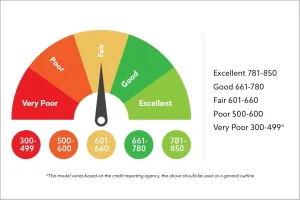
Your credit score is a simplified number created by a credit reference agency. Lenders do not all use the same score. They use their own criteria alongside information from your report, income, affordability and application details.
The report matters more than the number. A high score does not guarantee approval, and a low score does not explain everything without the underlying data.
How to check your credit report
You can access your statutory credit report from each credit reference agency. Some banks, apps and finance platforms also provide free score or report access. Make sure you understand which agency the service uses.
Check your name, date of birth, addresses, account balances, payment history and any searches or public records.
How to correct errors
If you find a mistake, contact the credit reference agency and the lender or organisation that reported the data. Provide evidence where possible. Errors may include wrong addresses, accounts that are not yours, incorrect missed payments or debts showing as unpaid when settled.
You may also be able to add a notice of correction to explain special circumstances, although lenders may need to review it manually.
Why credit reports matter
A clean and accurate credit report can improve your chances of accessing finance, renting a property, getting a mobile contract or passing some financial checks. It can also help protect against fraud by showing accounts or searches you do not recognise.
Frequently asked questions
Does checking my own credit report hurt my score?
No. Checking your own file is usually a soft search and does not harm your credit profile.
Why are my scores different?
Each agency uses different data and scoring methods, so scores can vary.
How long do missed payments stay?
Negative markers can remain for several years depending on the type of record. Check agency guidance for specific entries.
Can I remove accurate negative information?
Usually no. Accurate information generally remains until it naturally expires.
Final thoughts
Checking your credit report is a simple financial habit. Review all three agencies, correct errors and understand what lenders may see before applying for important credit.
Disclaimer: This article is for general information only and does not constitute financial or credit advice. Credit decisions depend on lender criteria and personal circumstances.